
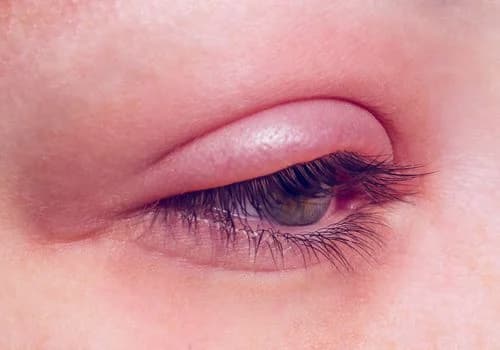
Blepharitis is a common condition that affects the eyelid and causes irritation and swelling of the edges of the eyelids. It occurs due to the accumulation of oils and bacteria around the base of the eyelashes, or due to some skin conditions such as rosacea or seborrheic dermatitis. This inflammation is a chronic condition that may require daily care to avoid worsening symptoms.
Causes of blepharitis:
There are two main types of this inflammation, which are frontal inflammation. And posterior. In anterior inflammation, irritation occurs at the base of the eyelashes due to bacteria or skin flakes, and is often associated with skin conditions. As for the posterior inflammation, it affects the meibomian glands, which are responsible for producing the fatty layer in tears, which may lead to dry eyes and increased eyelid irritation.What are you waiting for, book your consultation today to ascertain the cause of the redness and take appropriate steps for treatment.
Symptoms of blepharitis:
The most common symptoms include:- Redness and swelling of the eyelids
- Itching and burning in the eye
- Dryness or excessive tears
- The appearance of crusts on the eyelashes upon waking
- Sensitivity to light. In some cases, the severity of symptoms may vary from one person to another, and symptoms usually become more severe in the morning.
Treatment of blepharitis:
Treatment management requires adherence to a daily eyelid hygiene routine. This basic care includes using warm compresses on the eyelids to dissolve accumulated oils, and washing the eyelids with a special solution to clean crusts and reduce bacteria. In some severe cases, the doctor may prescribe antibiotics in the form of drops or ointments, and oral antibiotics may be used in cases accompanied by chronic skin diseases.Contact us today to examine your eyes, determine the cause of the allergy, and develop a treatment plan.