
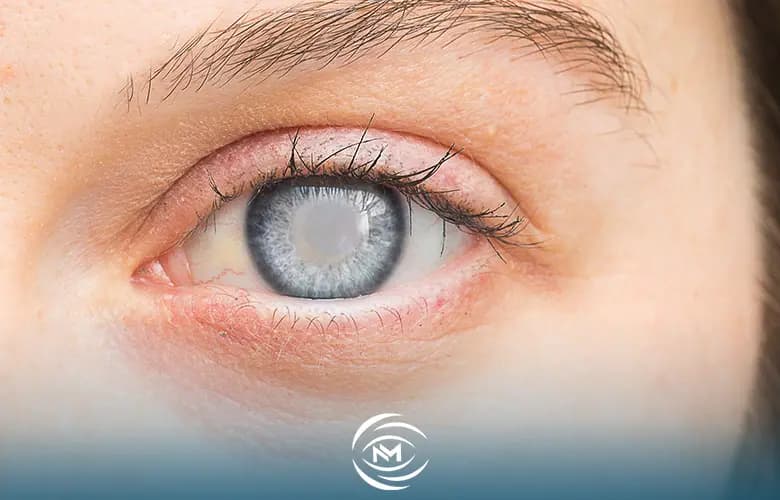
Treatment of cataracts
Treatment of cataracts: Cataracts are a common condition that leads to blurred vision, and often appears with age. Many people are searching for ways to treat cataracts without surgery, especially those who prefer to avoid surgical procedures. In this article, we review the latest non-surgical options based on reliable academic research and studies1. Antioxidant eye drops as a non-surgical solution to treat cataracts
One promising solution is the use of antioxidant eye drops, such as N-acetylcarnosine (NAC). Research shows that these drops may help delay the development of cataracts by reducing the buildup of proteins on the lens of the eye. Although this method is still in its early stages, some research in the United Kingdom indicates its effectiveness in early cases.Information: Antioxidants are now widely used in Britain as part of research into non-surgical cataract treatment. Inquire about the best types of eye drops suitable for your condition. Book your appointment now for a personal evaluation of your condition
2. Advanced corrective lenses as an alternative to treating cataracts without surgery
Some customized corrective lenses can help improve vision for patients with cataracts, without the need for surgery. These lenses differ from regular glasses in that they provide a noticeable improvement in vision and correct visual distortions caused by cataracts.Consulting with an eye specialist can help you choose the right type of lenses, and clarify their suitability for your particular condition.
3. Improving nutrition and nutritional supplements to prevent cataracts
Some research suggests that improving diet can reduce the risk of cataracts. Vitamin C, E and Omega-3 are elements that help protect the eye lens from damage. The use of these supplements is part of common medical recommendations in the UK to prevent the development of cataracts.Dietary Suggestion: Include colorful vegetables and fruits, such as carrots and red peppers, in your daily diet for eye health benefits.
4. Low-intensity light therapy (LLLT) as a method of treating cataracts without surgery
Low-intensity light therapy is a modern method that relies on directing low-intensity light rays to the eye to stimulate regeneration of lens tissue. Some British studies have shown that this technique may be effective in reducing the development of cataracts, but it must be under medical supervision.Reminder: This technology is still relatively new and may not be widely available, so it is best to inquire with a specialist about its suitability for you.Uses of lasers in ophthalmology
5. Eye exercises to improve visual fitness as part of cataract prevention
Eye exercises may not treat cataracts directly, but they may help strengthen the muscles surrounding the eye and improve blood flow to them. Some doctors in the UK recommend eye exercises as part of patients' daily routine as a supportive measure.Simple exercise: Try the gaze tracking exercise, which involves focusing on a nearby object for several seconds and then shifting focus to a distant object. This helps relieve stress and improve blood flow to the eyes.
Summary
Non-surgical treatments for cataracts represent an important development for those who wish to avoid surgical procedures. Although some of these treatments can provide improved vision or delay the progression of the condition, consulting a doctor remains the essential step to ensuring eye health.Final advice: It is best to follow up the condition periodically with a specialist ophthalmologist, as the development of cataracts may differ from one person to another.