
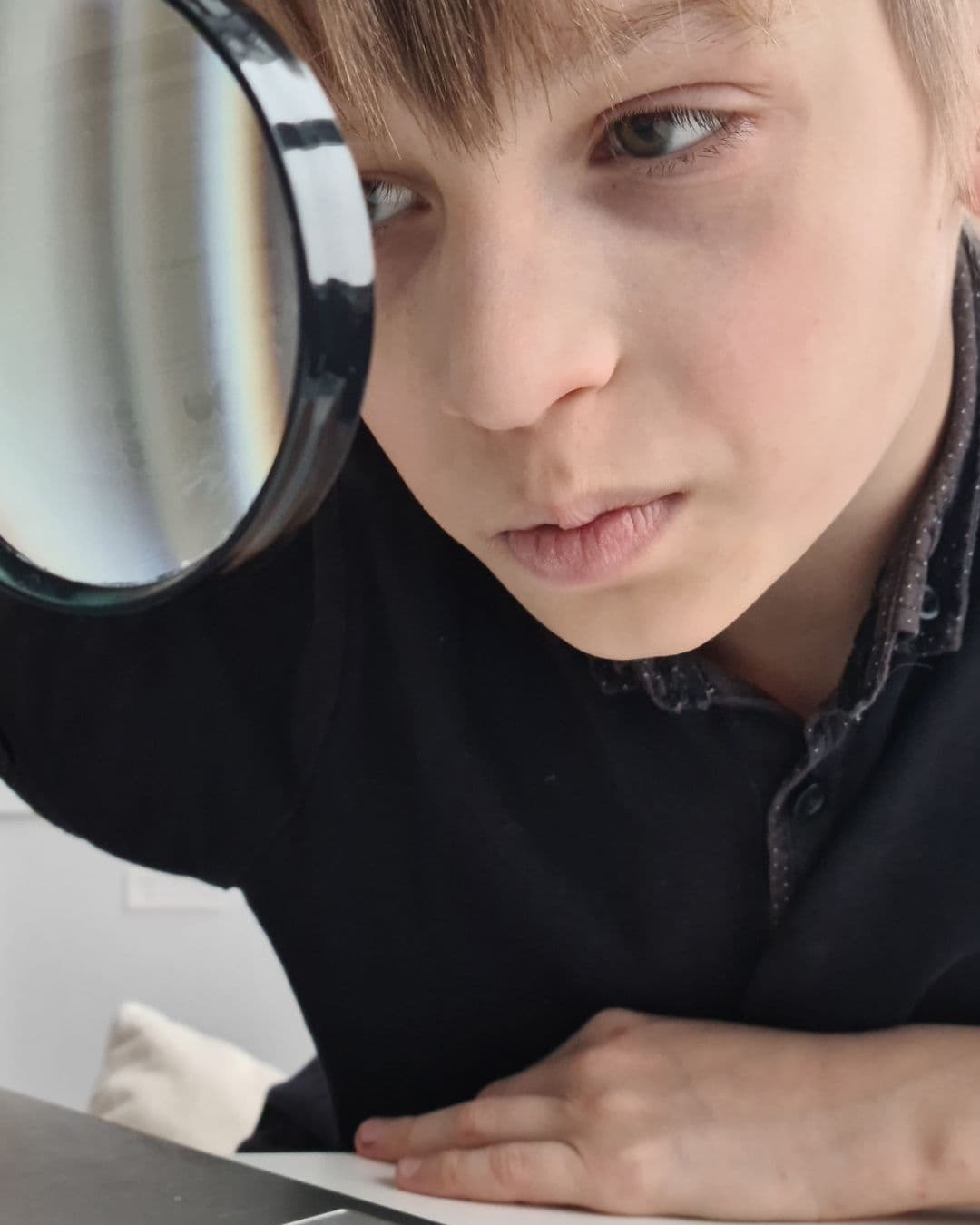
What is myopia in children?
Myopia inchildren
It is a common visual condition that causes distant objects to be blurred, while near vision remains clear. This condition occurs due to the increased length of the eyeball or the excessive refractive power of the cornea, which causes light to focus in front of the retina instead of directly on it.
Causes of myopia in children
There are many factors that contribute to the development of myopia in children, the most important of which are:
- Genetic factors: If one of the parents has myopia, the child is more likely to develop it.
- Excessive use of electronic devices: Spending long hours in front of screens negatively affects the development of vision.
- Lack of exposure to natural light: Children who do not spend enough time outdoors are more likely to develop myopia.
Symptoms of myopia in children
Parents can notice signs of myopia in childrenthrough:
- Bringing objects closer when reading or watching TV.
- Squint frequently or close one eye to improve vision.
- Complaining of headache or eye strain after performing near visual activities.
- Inability to see the school board clearly, which may affect academic achievement.
Keep your child's eyesight! Visit the best eye doctor in Riyadh for a comprehensive eye examination
Diagnosis and treatment of myopia in children
Myopia in children is diagnosed through a comprehensive vision examination by a pediatric ophthalmologist, and treatment may include:
- Prescription glasses: They are the most common solution for vision correction.
- Contact lenses: A suitable option for older children who can care for them well.
- Low concentration atropine drops: Used to slow the progression of myopia in children.
- Special corrective lenses (Ortho-K): They reshape the cornea during sleep to improve vision during the day.
Your child's eyes are safe! Follow us to find out the best solutions to protect your eyes
Methods of preventing worsening myopia in children
To help reduce the worsening of myopia in children, you can follow these tips:
- Reduce screen time and increase breaks while reading or studying.
- Encourage children to play outdoors for at least two hours a day.
- Ensure good lighting while performing near visual activities.