How to Treat Dry Eye: Effective Ways to Relieve Symptoms and Prevention
How to treat dry eyes It is important to relieve annoying symptoms that affect eye comfort. Dry eyes can be caused by several factors, such as environmental changes, prolonged use of electronic devices, or even certain medical conditions. In this article, we will review the most important causes, symptoms, and effective treatment methods for this condition.
Causes of dry eyes
There are many causes that may lead to dry eyes, including:
- Deficiency in tear production: This may be due to the eye’s inability to produce sufficient amounts of tears to moisturize it.
- Tear evaporation: Exposure to wind or dry air can cause tears to evaporate quickly, causing dehydration.
- Using contact lenses: Contact lenses are one of the factors that may cause dry eyes, especially if used for long periods.
- Taking certain medications: Some medications, such as antihistamines and antidepressants, can affect tear production.
- Aging: As we age, the body's ability to produce adequate amounts of tears decreases, leading to dehydration.
If you suffer from dry eyes and face one of these causes, do not hesitate to consult an ophthalmologist to find out the appropriate treatment
Symptoms of dry eyes
Common symptoms of dry eyes include:
- A burning or tingling feeling in the eye.
- Eye redness and increased sensitivity.
- Blurred or distorted vision.
- Increased sensitivity to light.
- A feeling of the presence of a foreign body inside the eye.
Methods of treating dry eyes
To relieve dry eye symptoms, some of the following effective treatments can be followed:
- Using artificial tears:
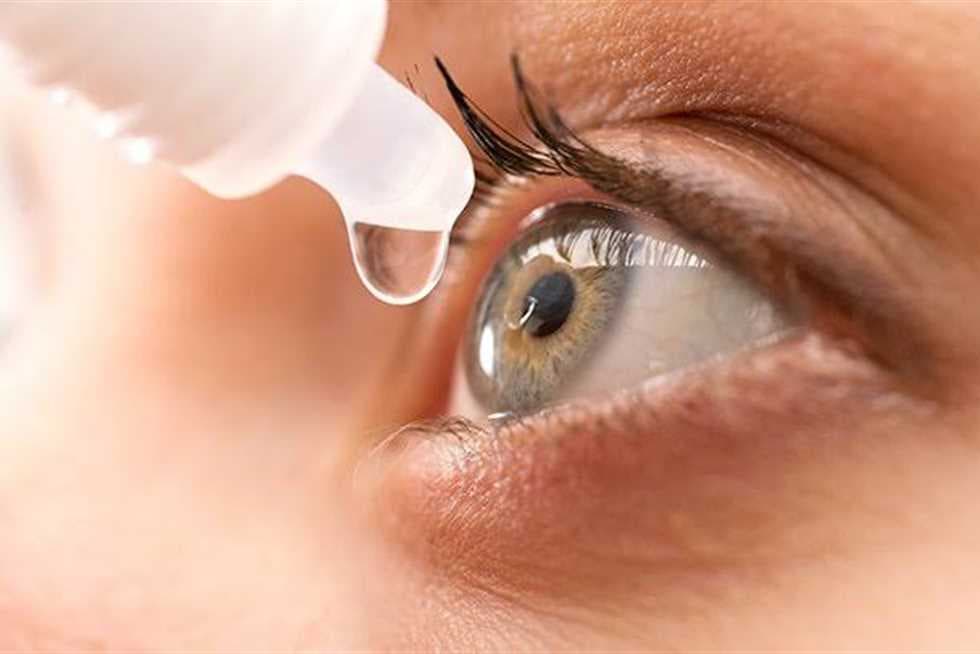
- Artificial tear drops are one of the most common treatments for dry eyes. It helps moisturize the eyes and relieve symptoms temporarily, and can be used several times during the day.
- Avoid triggering factors:
- It is better to reduce the time spent in front of electronic screens and take regular breaks.
- Use humidifiers in dry places to help improve the humidity of the surrounding air.
- Avoid direct exposure to wind or dry air, by wearing protective glasses.
- Prescribed medications:
- In severe cases, the doctor may prescribe medications that help increase tear production or relieve eye infections, such as drops that contain anti-inflammatory substances.
- Advanced medical procedures:
- In more severe cases, the doctor may resort to a procedure known as tear duct plugging, which is a procedure aimed at reducing tear evaporation and maintaining eye lubrication.
In severe cases, medical procedures may be the best option. Consult your doctor to determine the most appropriate treatment
Tips to prevent dry eyes
Following the following preventive tips may reduce your risk of developing dry eyes:
- Drink sufficient amounts of water daily to keep the body hydrated.
- Take regular breaks when using screens, as it is recommended to look away every 20 minutes.
- Avoid dry or polluted places, and use a humidifier if you live in areas with dry weather.
For more information about dry eyes, you can visit And read specialized articles
Summary
Dry eyes is a common condition that can significantly affect the quality of daily life. It is important to recognize the symptoms and deal with them appropriately to maintain eye health. Using available treatments, such as artificial tears and avoiding triggering factors, symptoms can be controlled and the situation significantly improved. If symptoms persist, it is best to consult an ophthalmologist for a thorough evaluation and appropriate treatment.