
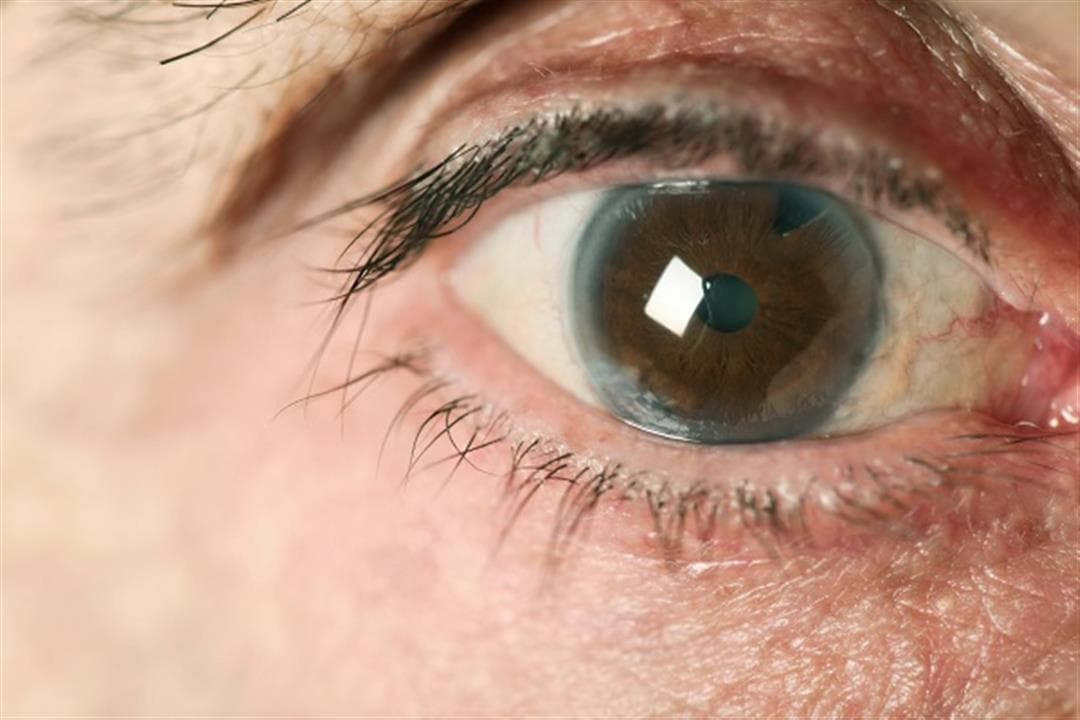
Is retinal detachment dangerous? Symptoms and treatment
Retinal detachment is an emergency condition that may seriously affect vision if not treated in a timely manner. This detachment causes the retina to stop performing its function, which may cause permanent vision loss. But, is retinal detachment dangerous? What are its causes, symptoms and treatment methods? This is what we will explain in this article.
Is retinal detachment dangerous?
Yes, retinal detachment is a very serious condition, and if rapid medical intervention is not undertaken, it may lead to permanent loss of vision. Its seriousness depends on the speed of diagnosis and treatment, as delay increases the possibility of complications that significantly affect visual ability.
Causes of retinal detachment
Retinal detachment occurs when the layer of the retina separates from its supporting tissue inside the eye. There are several main reasons for this situation, including:
- Retinal tear, which allows fluid to enter underneath it, causing it to separate from the choroid.
- Aging, as the chances of retinal detachment increase with age, especially after the age of fifty.
- Severe myopia, which leads to increased retinal weakness and the possibility of it being susceptible to tearing.
- Direct injury to the eye or head may cause lacerations leading to separation.
- Previous eye surgery, such as cataract surgery, which may increase the risk of detachment.
- Having a family history of retinal detachment increases the likelihood of developing it.
- Some diseases, such as diabetes, which may cause diabetic retinopathy.
Don't ignore any vision changes! Book an appointment with the best eye doctor in Riyadh now
Symptoms of retinal detachment
Retinal detachment does not cause pain, but it leads to the appearance of a group of symptoms that require immediate medical intervention, and these symptoms include:
- Sudden appearance of floating objects or black dots moving in the field of vision.
- Seeing sudden flashes of light in one or both eyes.
- The sensation of a shadow or black curtain covering part of the field of vision.
- Blurred vision or a sharp decrease in visual acuity without a clear cause.
- Gradual loss of peripheral vision that may progress to complete loss of vision in the affected eye.
Treatment of retinal detachment
The treatment of retinal detachment depends on the progress of the condition and the extent of its impact on vision. Treatment methods include:
- Laser therapy, where a laser is used to close tears and prevent fluid from leaking under the retina.
- Freezing or cryotherapy, where the damaged area is frozen to close the tear and prevent retinal detachment.
- Intraocular gas injection, where a gas bubble is injected into the eye to push the retina into its natural place until it heals.
- Scleral buckle surgery, where a silicone band is placed around the eye to support the retina and reduce tension on it.
- Vitrectomy, in which the vitreous fluid inside the eye is removed and replaced with another substance such as gas or medical oil to return the retina to its normal position.
Don't leave your eye health to chance! Book an appointment now to examine the retina and ensure its safety with the best ophthalmologist in Riyadh
Methods of preventing retinal detachment
Although retinal detachment can be treated, some of the causes of retinal detachment cannot be controlled. However, there are some procedures that reduce the risk of developing it, including:
- Have regular eye examinations, especially for people at risk, such as those with high myopia.
- Avoid eye injuries, by wearing protective glasses while playing sports or working in hazardous environments.
- Control chronic diseases, such as diabetes and high blood pressure, to prevent eye complications.
- Consult a doctor immediately if you notice any sudden changes in vision, such as floaters or flashes of light.
When should you visit a doctor?
You should consult ophthalmologist immediately if any of the following symptoms appear:
- Seeing floating objects suddenly and annoyingly.
- Feeling of frequent flashes of light in the vision.
- The sensation of a shadow or black curtain covering part of the field of vision.
- Gradual or sudden loss of vision.