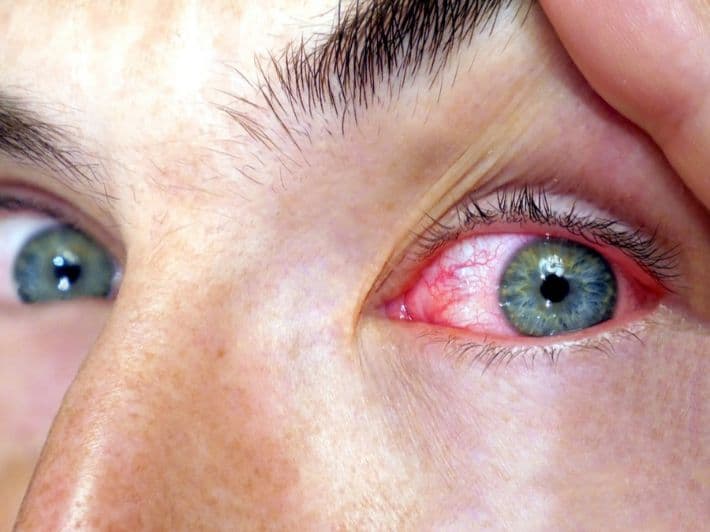
Retinal detachment?
Retinal detachment is a serious medical condition that requires prompt intervention. It occurs when the retina separates from its supporting layer at the back of the eye. This condition may lead to permanent loss of vision if not treated immediately, which raises an important question: Does retinal detachment lead to blindness?
Does retinal detachment lead to blindness?
The short answer is:
Yes, retinal detachment may lead to permanent blindness if left untreated
The reason is due to the interruption of blood supply to the retinal cells after their separation, which leads to their death and loss of function. However, early diagnosis and appropriate treatment can prevent blindness and preserve vision.
Signs indicating retinal detachment
To know if you have retinal detachment, you should watch for the following symptoms:
- Sudden appearance of black floaters or dots in the vision.
- Seeing frequent flashes of light.
- Blurred vision or difficulty seeing things clearly
- Gradual loss of peripheral vision.
- A sensation of a dark “curtain” covering part of the field of vision.
If these signs appear, you should consult an ophthalmologist immediately to avoid serious complications.
How does retinal detachment lead to blindness?
- When the retina detaches, the nerve cells in the retina lose their connection to the blood supply.
- Over time, these cells die due to lack of oxygen and nutrition.
- If the retina is not put back in place quickly, the damage becomes irreversible, leading to complete blindness.
Causes of retinal detachment
There are several factors that increase the risk of retinal detachment, including:
- Aging: The retina becomes more susceptible to tearing with aging.
- Severe myopia: This weakens the shape of the retina and increases the possibility of its detachment.
- Eye injuries: Direct trauma may cause retinal tear or detachment.
- Previous eye surgery: Such as cataract surgery, may increase the risk of infection.
- Family history: The presence of retinal detachments in the family increases the probability of infection.
Methods of treating retinal detachment
Fortunately, there are effective techniques to treat retinal detachment and preserve vision. Among the most prominent treatments:
- Laser pinning: A laser is used to close holes or tears in the retina before they lead to complete detachment.
- Freezing (cryotherapy): Another technique to repair tears by freezing the affected area.
- Gas or silicone injection surgery: Gas or oil is injected into the eye to put the retina back in place.
- Vitrectomy: The gelatinous material inside the eye is removed to repair the retina.
How to prevent blindness resulting from retinal detachment?
- Have regular eye examinations: especially if you are nearsighted or have a family history.
- Protect eyes from injury: Wear protective eyewear while playing sports or working in hazardous environments.
- Eye health monitoring: Pay attention to any sudden changes in vision and report them immediately.
To protect your eyesight and obtain comprehensive information about eye health, contact us now!
Conclusion
Retinal detachment is a serious condition that requires urgent intervention to avoid vision loss or blindness. Early diagnosis and prompt treatment are key to preserving vision. If you feel any symptoms of retinal detachment, do not hesitate to visit an ophthalmologist to get the appropriate evaluation and necessary treatment.
"Don't wait until you lose your vision! Learn about retinal detachment treatment with the best eye consultant in Riyadh