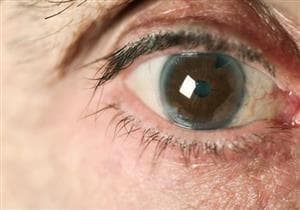
What is retinal detachment?
Retinal detachment is a serious medical condition that occurs when the retina, a thin layer of tissue at the back of the eye, detaches from its normal place. If not treated quickly, it can lead to permanent vision loss. Therefore, it is important to recognize the signs of retinal detachment to seek immediate treatment.
What is a sign of retinal detachment?
There are several signs that you may have a retinal detachment. Most notable include:
- Seeing sudden flashes of light: Flashes can appear in your field of vision suddenly and without warning.
- Increase in the number of floaters or spots in your vision: Floaters are small black or gray dots that may appear in the field of vision and move with eye movement.
- Shadows or loss of peripheral vision: You may feel as if there is a dark curtain covering part of your field of vision.
- Sudden confusion or blurring of vision: This sign could be an indication of serious changes in the retina.
If you notice any of these signs, you should immediately consult an ophthalmologist for proper diagnosis and treatment.
Causes of retinal detachment
There are many reasons that lead to separation, the most prominent of which are:
- Aging: The retina becomes weaker with age, increasing the risk of detachment.
- Eye injuries: Blows or accidents can lead to retinal detachment.
- Medical history: Having a family history of retinal detachment increases the possibility of the condition.
- Severe myopia: People with myopia are more susceptible to this condition.
How is retinal detachment diagnosed?
Diagnosis is usually made by an ophthalmologist using techniques such as:
- Fundus examination: To carefully examine the retina using magnifying instruments.
- Ocular ultrasound: To determine the extent of damage if the retina is not visible due to bleeding.
Protect your vision, book a comprehensive eye exam today
Retinal detachment treatment options
Treatment methods depend on the patient's condition and the extent of the separation. Among the most prominent options:
- Laser perforation: The laser helps repair holes or tears in the retina.
- Gas or air injection surgery: A gas bubble is injected into the eye to push the retina into place.
- Vitrectomy: The vitreous, which is causing pressure on the retina, is removed and replaced with a special fluid.
How to prevent retinal detachment?
- Regular eye examination: Early detection of any retinal problems helps.
- Protect eyes from injury: Wear safety glasses when playing sports or working in hazardous environments.
- Follow-up of diabetics: Diabetics must control their blood sugar levels to avoid retinal problems.
Conclusion
Retinal detachment is a serious medical condition, but early detection can reduce risks and preserve vision. If you notice any signs of retinal detachment, visit your
ophthalmologist immediately to get the necessary diagnosis and treatment.