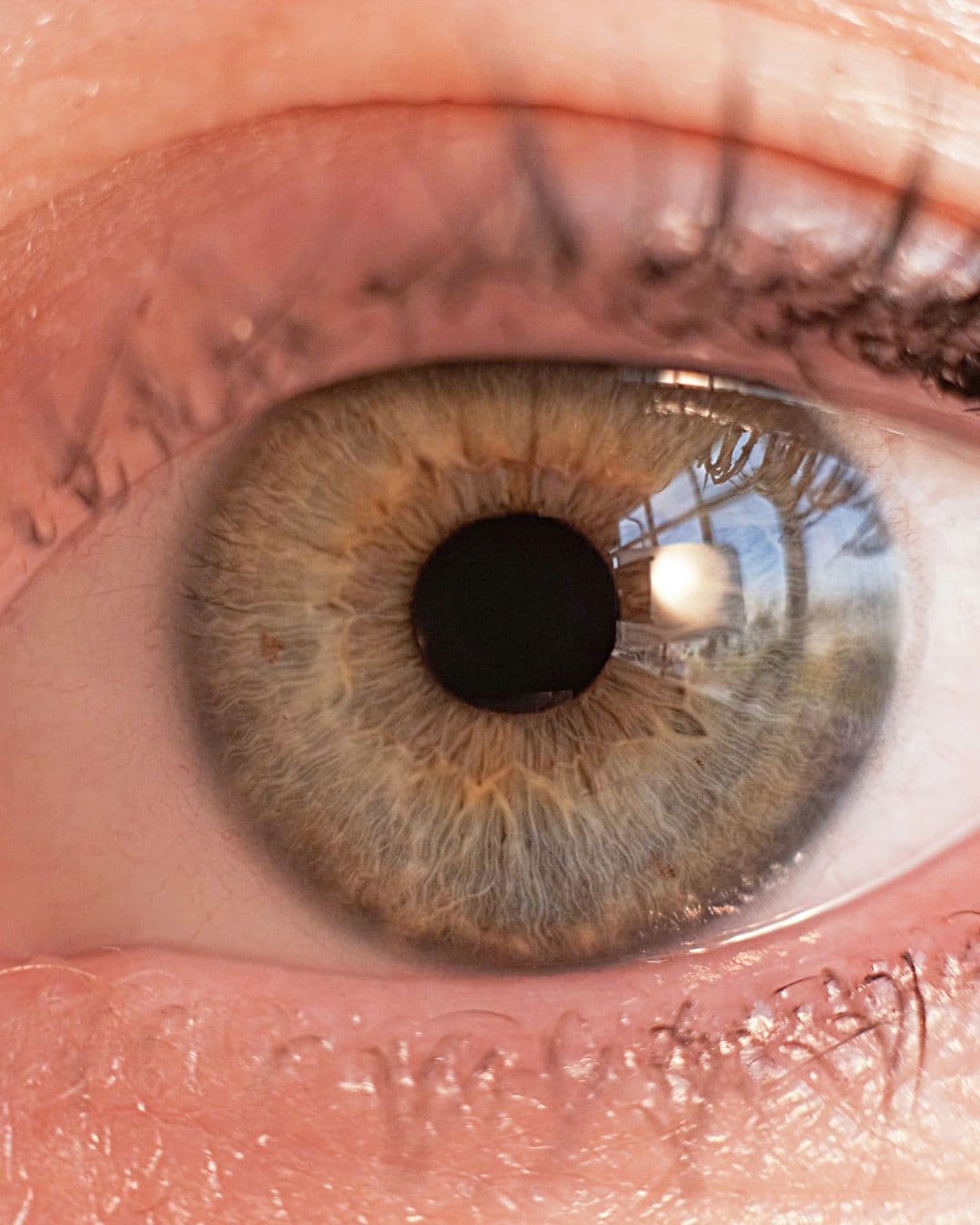
Vision correction operations such as LASIK, Femto-LASIK, and Femto-Smile are among the most common solutions for treating low vision problems. With the advent of the month of Ramadan, many are wondering about the possibility of performing these operations during the fasting period, and does fasting affect recovery after the operation? In this article, we will discuss the details of vision correction operations during Ramadan, the most important tips, and recommendations to ensure the success of the operation.
Can vision correction operations be performed during Ramadan?
Yes, vision correction operations can be performed during the month of Ramadan, as they do not require general anesthesia, but there are some things that must be taken into account, such as avoiding dry eyes due to fasting, and adhering to medical instructions to ensure a quick recovery
Types of vision correction operations
1. LASIK
LASIK is one of the most common vision correction procedures, as it uses laser beams to reshape the cornea and correct nearsightedness or farsightedness and astigmatism.
2. Femto LASIK
This technique uses a laser instead of a surgical scalpel to make the superficial crust of the cornea, which reduces complications and increases the accuracy of the operation.
3. Femto SMILE
An advanced technique that is performed through a very small incision in the cornea, and is suitable for people who suffer from severe myopia.
4. Intraocular lens implant
This technique is suitable for people who cannot undergo LASIK, such as those with weak cornea or severe myopia.
Tips before undergoing vision correction surgery in Ramadan
- Drink sufficient fluids at suhoor and iftar to avoid dry eyes.
- Avoid using contact lenses for at least a week before the procedure.
- Consult your doctor about medications allowed during the fasting period.
- It is preferable to perform the procedure after breakfast to avoid feeling dehydrated or exhausted while fasting.
Tips after the operation while fasting
- Avoid rubbing your eyes after the procedure, even if they feel itchy or dry.
- Use lubricating drops prescribed by your doctor to maintain eye moisture.
- Wear sunglasses to protect the eyes from dust and ultraviolet rays.
- Get enough sleep to help the eye recover quickly.
- Avoid direct exposure to heat or dry air, which may increase dehydration.
Frequently asked questions about vision correction operations during Ramadan
1. Do the drops used after the operation affect fasting?
Most eye drops do not break the fast, but it is preferable to consult a doctor if the drops contain substances that are strongly absorbed into the body.
2. Can I exercise after the operation during Ramadan?
It is recommended to avoid violent exercise or swimming for two weeks after the operation to avoid any pressure on the eye.
Book now and consult the best ophthalmologist specialized in vision correction operations