
Conjunctivitis Symptoms, Causes and Treatment: Your Comprehensive Guide to Eye Health
Conjunctivitis, commonly known as “pink eye,” is an inflammation of the thin membrane covering the white part of the eye and the inner surface of the eyelid. Although it may be annoying, the majority of its cases are not serious, but it may require medical advice, especially in certain cases. This article covers the most prominent causes of conjunctivitis, its symptoms, and methods of treatment, with reliable medical advice from recent research around the world.
Causes of conjunctivitis
The causes of conjunctivitis are varied, and include several main factors that lead to this common condition that may affect the eyes differently, which are as follows:- Bacterial infection: It occurs as a result of infection with types of bacteria such as Staphylococcus and Streptococcus. These types of bacteria secrete substances that cause eye irritation and a sticky yellow or green discharge, and often require treatment with antibiotics to prevent the infection from developing.
- Viral infection: Viral infection is the most common cause of conjunctivitis, often associated with the viruses that cause colds and influenza. This type shows symptoms such as severe tears and red eyes, and is highly contagious, which requires caution in touching the eyes after touching contaminated surfaces.
- Allergies: Allergies to substances in the environment, such as pollen, animal dander, and dust, are common causes of conjunctivitis. When exposed to an allergen, the immune system responds by releasing substances that irritate the eyes, leading to itching and irritation. In certain cases, allergy symptoms may last for long periods and are not contagious but require avoiding the allergen and appropriate treatment such as antihistamine drops.
Common symptoms of conjunctivitis
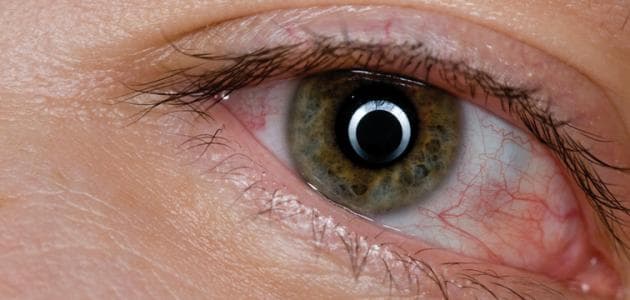
Symptoms include eye redness, annoying itching, excessive tears, and unusual discharge. In bacterial infections, the discharge may make it difficult to open the eyes, especially after waking up. So, if you notice these symptoms continuing or increasing, it is recommended that you visit an eye doctor to get a proper diagnosis. If you feel any of these symptoms, it is best to consult an ophthalmologist to avoid complications.How to treat conjunctivitis
Treatment is determined according to the type of inflammation:- Bacterial infection: It is treated using antibiotics in the form of drops or ointments.
- Viral infection: It often resolves on its own, although lubricating drops can be used to relieve symptoms. It is recommended to keep the eyes clean to avoid infection.
- Allergic inflammation: Treatment is using antihistamine drops to relieve itching, taking care to avoid known allergens.